Neck & Shoulder Pain
Neck and shoulder pain from poor posture or stress can be relieved with guided physiotherapy and targeted exercises—anytime, anywhere.


Conditions
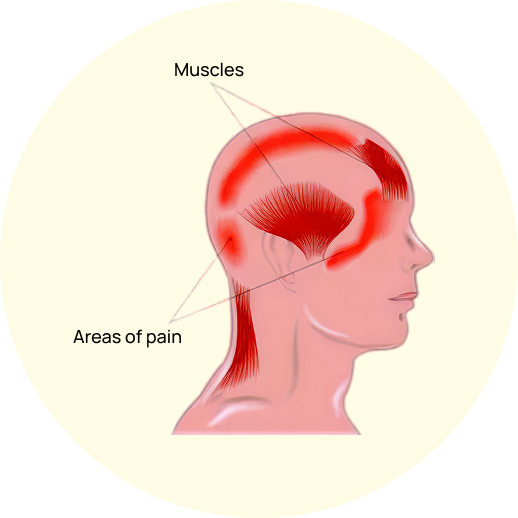
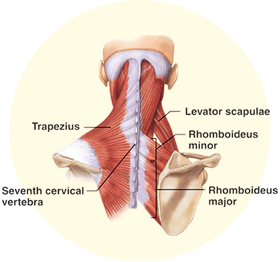
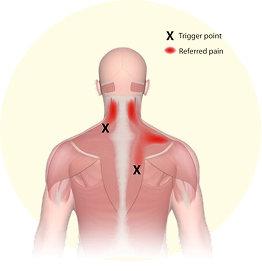
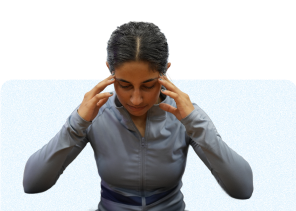
Neck and shoulder pain often leads to tension headaches. The muscle strain and stiffness can extend to the head, causing persistent headaches that can affect concentration and daily activities.
Tight muscles and stiffness can limit neck and shoulder movement, making everyday tasks uncomfortable or painful.
Persistent pain can interfere with your ability to sleep comfortably, leading to fatigue and slower recovery.
Causes
Prolonged sitting or standing with poor posture, such as slouching or hunching over, strains neck and shoulder muscles, causing pain and stiffness.
Overuse, sudden movements, or holding your head in one position too long can lead to muscle strain and tightness.
Emotional tension often causes muscle tightness in the neck and shoulders, leading to discomfort and fatigue.
Whiplash, falls, or sports-related injuries can cause neck and shoulder pain that requires guided physiotherapy.


Solution
Holistic Strength & Conditioning
- ✔ Build scapular stability & cervical strength
- ✔ Correct postural imbalances (tech neck)
- ✔ Improve shoulder mobility & coordination
Pain Management
- ✔ Manage tension, inflammation & ROM loss
- ✔ Conditions: Cervical spondylosis, frozen shoulder, tension headaches
- ✔ Manual therapy guidance & trigger point relief

Returning to Sports After Injury
- ✔ Rehab for dislocations, rotator cuff tears, whiplash
- ✔ Overhead athlete protocols (serve/throw)
- ✔ Scapulothoracic rhythm retraining